When Indoor Growing Leaves Damage Behind
Clandestine indoor marijuana grow operation assessments in Huntsville evaluate moisture damage, mold growth, and environmental contamination in affected properties.
Indoor marijuana cultivation creates high humidity, constant moisture, and ventilation modifications that often result in concealed mold growth, structural moisture intrusion, and contaminated ductwork. If you own or manage a Huntsville property where indoor growing occurred, visible damage may represent only part of the problem affecting air quality and building materials.
Indoor Environmental Solutions conducts thorough assessments of properties impacted by indoor grow operations, evaluating moisture levels, mold colonization, compromised building envelope components, and residual contamination from fertilizers or pesticides. The service includes documentation to support restoration planning, insurance claims, and tenant or buyer disclosure requirements. The assessment provides independent third-party findings with clear reporting for landlords, property managers, and investors who need to understand the scope of damage before making repair or sale decisions.
If your Huntsville property shows signs of previous indoor cultivation or you are purchasing a property with a known grow history, contact Indoor Environmental Solutions to schedule an assessment and review what restoration work may be necessary.
Our Services
Moisture and Mold Often Outlast the Operation
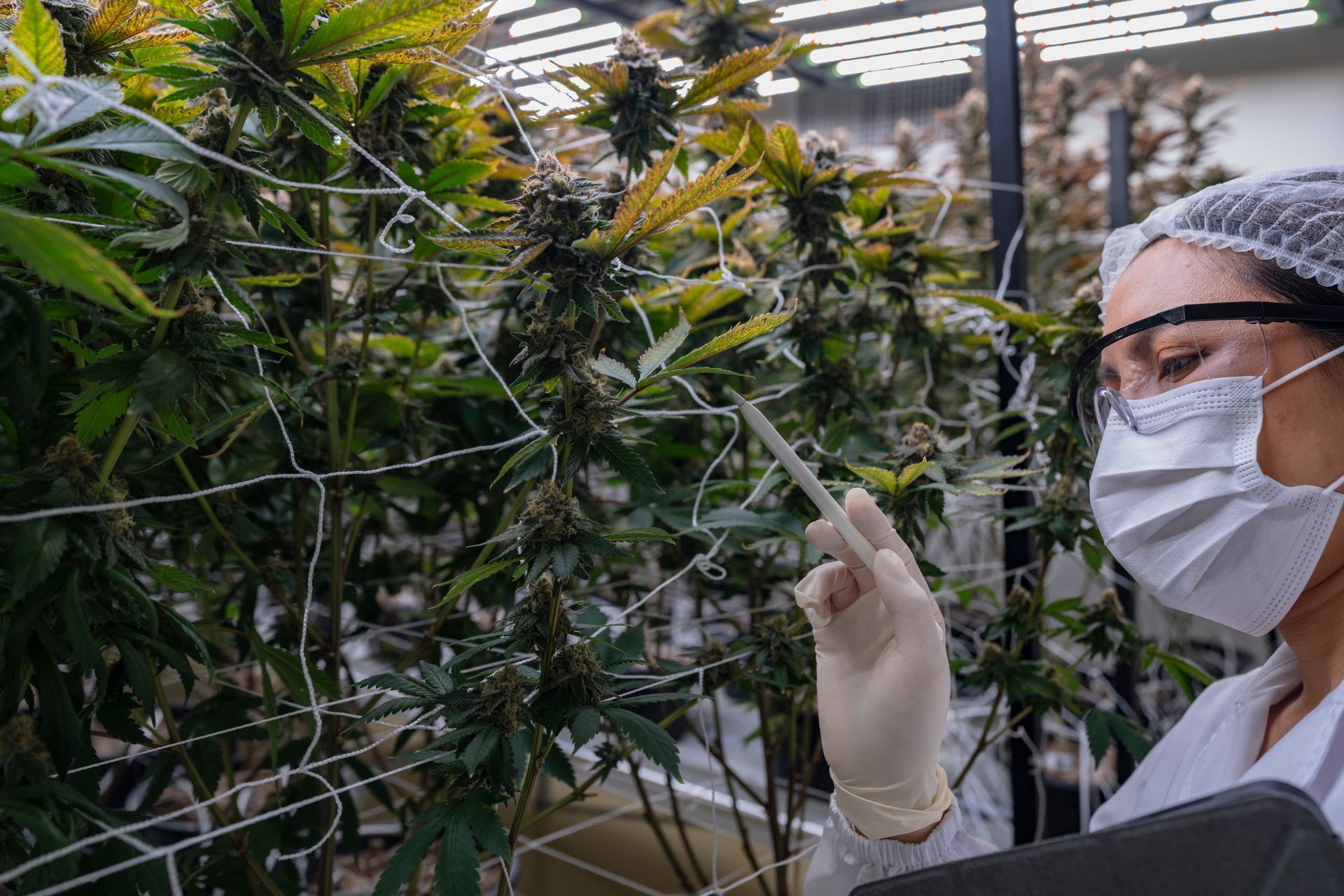
The assessment includes moisture mapping, visual inspection of building cavities, air and surface sampling for mold, and evaluation of ventilation system alterations. In Huntsville properties, grow operations frequently affect attic insulation, crawlspace conditions, and exterior wall assemblies where vapor barriers were bypassed or removed to accommodate equipment and irrigation runoff.
After the evaluation, you receive a written report identifying moisture intrusion points, mold species present, contaminated materials, and structural modifications that require correction. The findings allow contractors to estimate repair costs accurately and help you understand which building components need replacement versus cleaning.
The assessment does not include remediation or construction services but provides the detailed documentation needed to plan restoration work and avoid incomplete repairs that leave hidden problems unresolved. Results also support insurance claims and property disclosure requirements, giving you clear records of conditions discovered and actions taken to restore indoor environmental quality.
You Likely Have Questions About What Comes Next
Property owners often want to know what specific damage to expect, how long repairs take, and whether the property can be safely occupied during restoration planning.
Indoor Environmental Solutions provides clandestine indoor marijuana grow operation assessments for residential and light commercial properties throughout Huntsville, delivering independent findings that support restoration planning and reduce uncertainty. If your property was affected by indoor cultivation, reach out to schedule an evaluation and receive clear documentation of environmental conditions.